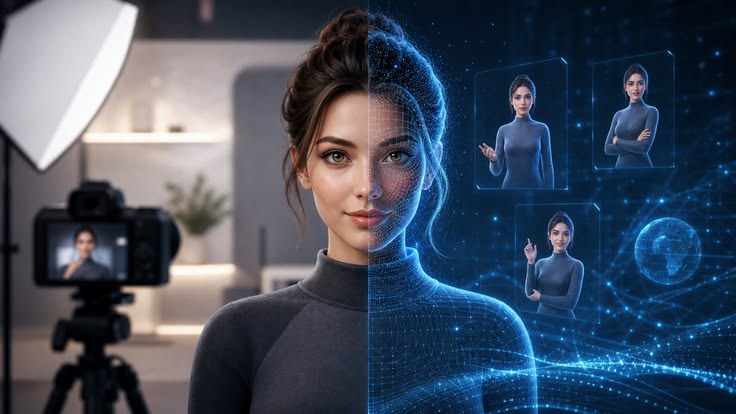
AI-Generated Content: How to Spot It, and Why Nepali Audiences Still Want a "Human" Brand Voice
Scroll through Facebook or Instagram in Nepal today and you'll start noticing a pattern, once you know what to look for. A caption that's a little too polished. A reply that answers the question perfectly but somehow feels like nobody actually read the message. An Instagram bio that sounds like it was written for a global brand, not a shop in Patan.
AI-generated content has become genuinely common in Nepali business marketing over the past couple of years, and honestly, that's not a bad thing on its own AI tools have made it easier than ever for small businesses to keep up with posting, replying, and writing without needing a dedicated content person. But there's a catch that's becoming harder to ignore: audiences are getting good at spotting it, and when they do, it often costs a business the exact thing that made Nepali customers trust it in the first place the feeling that there's a real person behind the page.
This article walks through how to actually spot AI-generated content, why that "human" feeling matters so much specifically in Nepal, and how to use automation smartly without letting your brand start sounding like everyone else's.
How to Spot AI-Generated Content (The Real Tells)
AI writing has gotten good genuinely good which is exactly why it's worth knowing the specific patterns that give it away, rather than relying on a vague gut feeling.
It's grammatically perfect in a way real people rarely are. Real Nepali business owners writing captions or replies naturally mix languages, use casual phrasing, and occasionally make small typos. AI-generated text tends to be suspiciously clean and structurally consistent, post after post.
It uses the same emotional words over and over. "Elevate," "seamless," "unlock," "game-changing" these words show up constantly in AI-generated marketing copy because they're statistically common in training data, not because a real business owner in Kathmandu naturally reaches for them.
Replies answer the question but miss the tone. A customer asks something slightly cheeky or informal, and gets back a reply that's technically correct but completely mismatched in energy polite, formal, and just a little robotic.
Everything sounds the same across different posts. Real human writing has natural variation some days more energetic, some days more tired, some captions longer, some shorter. AI-generated content often has an eerie consistency in rhythm and structure that starts to feel templated once you notice it.
It rarely references anything specific or local. AI tends to generalize "the perfect gift for your loved ones" instead of "perfect for Teej gifting" or a reference to an actual local event, season, or shared cultural moment that shows someone who actually knows the audience wrote it.
Comments and replies lack real follow-up. A human noticing a customer mentioned something specific a past order, a local landmark, an inside joke from an earlier chat will reference it. AI-generated replies tend to treat every conversation as if it's starting from zero.
Why This Matters So Much for Nepali Audiences Specifically
Buying culture in Nepal has always leaned heavily on trust and relationship, more than a lot of Western e-commerce models. Customers don't just buy a product they're often buying from someone, a real shopkeeper or seller they feel some connection to, even if that connection only exists through Instagram comments and WhatsApp chats.
This is part of why the informal, chat-based buying process common in Nepal has worked so well for so long a customer messaging a small business genuinely expects a real person to be on the other end, not a company. When that expectation gets quietly violated by a generic AI reply, it doesn't just feel slightly off. It can actually break the trust that made the customer comfortable buying through chat in the first place.
There's also a cultural specificity issue. A lot of what makes Nepali marketing effective festival references, local slang, an understanding of what a customer in Biratnagar cares about versus one in Kathmandu is exactly the kind of nuance generic AI tools tend to flatten out. Audiences notice when content feels like it could have been written for any business, anywhere, rather than for them specifically.
The Mistake Isn't Using AI, It's Using It in the Wrong Places
Here's the important nuance: none of this means AI tools are bad for Nepali businesses. Used well, they save enormous time. The mistake is applying AI indiscriminately, to every part of the customer relationship, instead of being deliberate about where automation genuinely helps and where it quietly costs you the human connection that made customers trust you in the first place.
A useful way to think about it: automate the repetitive backend, keep the actual relationship human.
Things like scheduling posts, sorting incoming messages, sending routine reminders, or tracking orders are genuinely well-suited to automation a customer never sees or cares how that part happened. But the actual voice of your brand your captions, your replies to real questions, the tone of a conversation with a genuine customer is exactly where a human touch still matters most in Nepal's relationship-driven market.
How Sociair Helps You Get This Balance Right
This is precisely the philosophy Sociair is built around, and it's a big part of why it fits Nepali businesses so well: automate the noise, protect the human conversation.
One Inbox So Real Replies Don't Get Delayed Into Needing a Bot
A lot of businesses lean on AI auto-replies simply because a scattered inbox across five apps makes manual replies feel impossible to keep up with. Sociair removes that pressure at the source, pulling messages and comments from Facebook, Instagram, TikTok, and WhatsApp into one place so your team can actually keep up with real, human replies instead of outsourcing the whole conversation to a bot out of necessity.
Automation Where It Genuinely Belongs
Sociair automates the parts of the job that don't need a human voice at all reminders, bulk updates, repeat notifications so a payment reminder or an order confirmation goes out without eating into the time your team should be spending on real conversations.
Leads Stay Visible, So Human Follow-Ups Actually Happen
Instead of a bot handling a conversation start to finish, Sociair turns real inquiries into trackable leads that move through a pipeline, keeping genuine sales conversations on a human's radar rather than letting automation quietly take over the whole exchange.
Customer History Stays Connected, So Replies Feel Genuinely Personal
Because every customer's full conversation and order history stays attached to their profile in Sociair, your team can reference something specific a past order, an earlier question the same way a real shopkeeper would remember a regular customer, instead of every reply starting from a blank slate.
Scheduling and Posting Handled Efficiently, Without Replacing Your Voice
Sociair helps keep your posting consistent through scheduling, but the actual writing the captions, the tone, the local references that make your brand sound like you stays exactly where it should: with your team, not outsourced entirely to a generic AI tool.
Built for Small Teams Who Want to Stay Personally Involved
Sociair isn't designed to remove people from the customer relationship it's designed so a small team can stay genuinely present in the conversations that matter, while automation quietly clears away everything that doesn't need a human touch.
A Simple Test for Your Own Content
Before posting or sending a reply, ask: could this have been written for any business, anywhere, or does it sound like it came from someone who actually knows this customer and this market? If it's the former, it's worth a second look not because AI is bad, but because your audience in Nepal is genuinely tuned in to the difference, whether they consciously notice it or not.
Final Thoughts
AI tools aren't going away, and they shouldn't they've made it possible for small Nepali businesses to keep up with a pace of content and replies that would have been impossible a few years ago. But the businesses that will keep winning trust in 2026 are the ones that know exactly where to draw the line: automate the backend, protect the human voice.
Sociair was built around that exact balance clearing the repetitive noise out of your inbox and workflow, while keeping real conversations, real replies, and real relationships in human hands. If you want your brand to keep sounding like an actual person Nepali customers trust, rather than a page that quietly started sounding like everyone else's, that's exactly the space Sociair is built to protect.